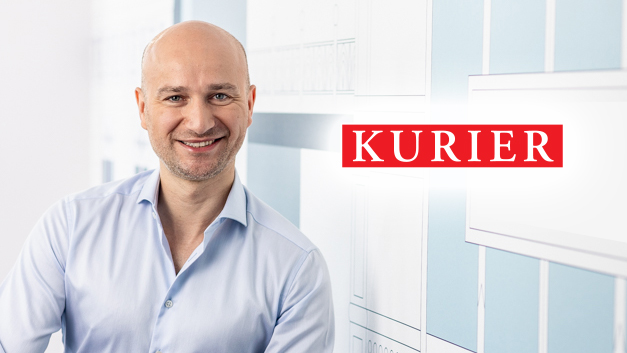

The new EU Consumer Credit Directive will come into force in Austria on 20 November 2026. As a result, small loans of less than €200, including those offered through “Buy Now, Pay Later” (BNPL) models, will be subject to the same rules as traditional loans. In an interview with Kurier, Christian Giehler, Managing Director of coeo Austria, explains what consumers need to prepare for.
Buying on invoice is widespread in Austria. In online retail, customers use this payment method for more than 30 percent of purchases. At the same time, payment deferrals have so far been subject to very limited regulation. The new legislation will change this: providers will no longer be allowed to advertise a service as “free” if fees apply. A new right of withdrawal will also be introduced. According to Giehler, the biggest difference concerns creditworthiness checks, which were not previously mandatory. For consumers, this means that their usual payment method may more frequently no longer be offered or their requests may be rejected.
According to Giehler, many people are not even aware that buying on invoice is a form of small loan. Most people associate the term “credit” more with property financing or car leasing. “This is a financial education issue, which is why it is so important to educate people,” says Giehler.
The problem is rarely caused by individual large purchases. In the “Buy Now, Pay Later” segment, the average shopping basket amounts to between €80 and €100. Since payment is usually due only after 30 days, individual orders can easily be forgotten. At the end of the month, several outstanding invoices may then become due at the same time, putting pressure on consumers’ budgets.
How financial education can be achieved was also a topic at the Customer Focus Spotlight | Payment & Finance, hosted by coeo in Vienna in September. Giehler joined Education Minister Christoph Wiederkehr to discuss how financial education influences consumer behaviour. coeo also presented its own financial education initiative at the event.
The full interview with Christian Giehler was published in Kurier.