


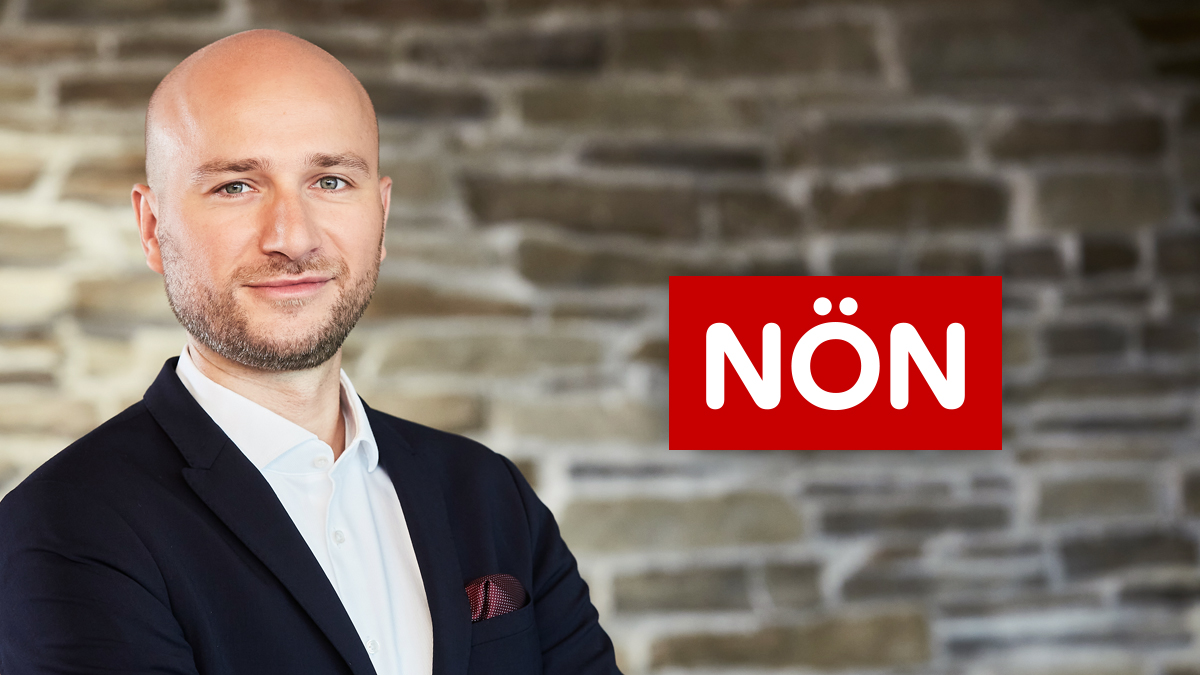

Online shopping, streaming subscriptions, and flexible payment options have made spending money easier than ever before. At the same time, however, the risk of losing track of personal finances is increasing. In an interview with NÖN, coeo Managing Director Christian Giehler explains how young people can develop financial awareness early on and avoid falling into debt.
Digitalization has fundamentally changed consumer behavior. Products are available at any time, purchasing decisions are often made within seconds, and payment models such as “Buy Now, Pay Later” offer additional flexibility. For teenagers and young adults in particular, this creates new challenges when it comes to managing money responsibly.
Recognizing the Pressure to Consume Through Social Media
Platforms such as TikTok and Instagram have a significant influence on the purchasing decisions of many young people. Trends, product recommendations, and influencer marketing often create the impression that certain products are necessary in order to fit in.
“We see every day that many young people no longer distinguish between ‘I really need this’ and ‘I want to belong.’ That is exactly where the first small debts arise, which can later accumulate,” says Christian Giehler.
One simple but effective strategy is to introduce a waiting period of at least 24 hours before making larger purchases. In many cases, the initial urge to buy fades during that time.
Using Flexible Payment Options Responsibly
Installment plans and deferred payment options offer convenience and financial flexibility. At the same time, they can make it easier to lose track of outstanding obligations.
“Buy Now, Pay Later can be a useful tool, but it is not free money. Those who understand and meet the payment deadlines benefit from the flexibility; those who lose track risk unnecessary reminder fees,” explains Giehler.
It is therefore important to keep a systematic record of all outstanding payments and to ensure that sufficient funds will be available when payment becomes due.
Reviewing Personal Spending on a Regular Basis
Many small expenses often go unnoticed in everyday life. Food delivery services, in-app purchases, gaming offers, and streaming subscriptions may seem insignificant individually, but together they can result in substantial monthly costs.
Digital budgeting tools and modern banking apps help users gain transparency over their spending habits and identify potential savings.
“Many young people are genuinely surprised when they first see how much they spend each month on food deliveries or in-app purchases. Simply making these expenses visible is often the first step out of financial autopilot,” says Giehler.
Reassessing Subscriptions Regularly
Whether streaming services, fitness apps, or cloud storage plans, many recurring subscriptions go largely unnoticed despite generating regular costs.
coeo recommends reviewing all active subscriptions at least once every quarter and consistently canceling services that are no longer being used. This strengthens awareness of recurring expenses and creates additional financial flexibility.
Talking Openly About Money
Financial education often begins at home. Open discussions about income, expenses, contracts, and financial responsibility can help young people avoid difficulties later in life.
“In our debt collection cases, we regularly encounter young adults who are facing an outstanding claim for the first time in their lives and simply do not respond because they feel uncertain. That only makes the situation worse,” warns Giehler.
For this reason, coeo encourages parents to address financial topics at an early age and to help their children develop a responsible approach to money.
Financial Literacy as an Important Resource for the Future
At coeo, one thing is clear: financial literacy is a key prerequisite for economic independence and long-term financial stability. Learning early how to make conscious purchasing decisions, keep track of expenses, and talk openly about money lays the foundation for responsible personal financial management.
The full interview with Christian Giehler was published in the Niederösterreichischen Nachrichten (NÖN).